
arnold blueprint to mass full pdf
Arnold Schwarzenegger: A Blueprint to Mass — Comprehensive Guide

Arnold’s journey, from Austria to global icon, embodies dedication and discipline. His success stems from a rigorous training approach, detailed nutritional strategies, and unwavering mental fortitude.
Early Life and Bodybuilding Beginnings
Arnold Alois Schwarzenegger’s story began in Thal, Austria, on July 30, 1947. His upbringing, marked by a strict and physically demanding environment, laid the foundation for his future pursuits. Initially drawn to soccer, a pivotal moment arrived when he discovered bodybuilding, inspired by Reg Park. This shift ignited a passion that would define his life.
At age 15, Arnold began serious weight training, quickly surpassing local competitors. He devoured knowledge about the sport, studying every aspect of training and nutrition. His ambition drove him to emigrate to the United States in 1967, seeking greater opportunities to excel. This marked the beginning of his ascent in the world of bodybuilding, ultimately leading to seven Mr. Olympia titles and establishing him as a global icon. His early dedication and relentless pursuit of perfection were crucial to his later success.
The 7 Principles of Arnold’s Training Philosophy
Arnold Schwarzenegger’s legendary physique wasn’t built on luck, but a meticulously crafted training philosophy. Central to his approach are seven core principles: Mind-Muscle Connection – focusing intently on the muscle being worked; Specificity – tailoring training to desired outcomes; Overload – progressively increasing resistance; Progression – systematically advancing training intensity; Variation – constantly changing routines to prevent plateaus; Individualization – adapting training to personal needs; and Rest & Recovery – allowing muscles to rebuild.
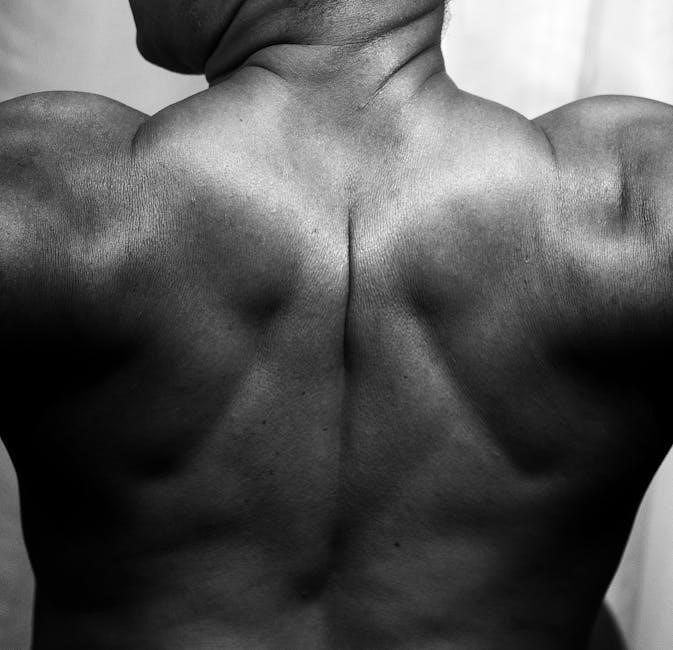
These principles weren’t isolated concepts, but interwoven elements of a holistic system. Arnold emphasized feeling the muscle contract with each repetition, maximizing fiber recruitment. He believed in constantly challenging the body, avoiding stagnation through varied exercises and techniques. Crucially, he understood the importance of recovery, recognizing that muscle growth occurs during rest, not during training itself. This comprehensive approach fueled his unparalleled success.
Volume Training: The Foundation of Mass
Arnold Schwarzenegger’s mass-building strategy heavily relied on high-volume training. He wasn’t a proponent of minimal sets; instead, he advocated for multiple sets – often exceeding 10-12 – per exercise, targeting each muscle group from multiple angles. This wasn’t simply about exhaustion, but about maximizing time under tension and stimulating significant muscle fiber damage, prompting robust growth.
However, volume wasn’t applied indiscriminately. Arnold strategically varied rep ranges, incorporating lower reps for strength and higher reps for hypertrophy. He understood that different rep ranges elicit different physiological responses. Crucially, volume was coupled with progressive overload – consistently increasing weight or reps over time. This sustained stimulus forced muscles to adapt and grow. Proper nutrition and recovery were also vital components, enabling the body to withstand and benefit from the intense volume.

Split Routines: Optimizing Muscle Recovery
Arnold Schwarzenegger championed split routines, a method of dividing training sessions to focus on specific muscle groups each day. This approach contrasts with full-body workouts, allowing for more concentrated effort and, crucially, enhanced recovery. His favored splits often involved isolating muscle groups like chest and back, shoulders and arms, and legs, dedicating entire sessions to their development.
The rationale behind this strategy is simple: intensely worked muscles require time to repair and rebuild. By separating workouts, Arnold ensured adequate recovery between sessions targeting the same muscle groups. This minimized the risk of overtraining and maximized muscle protein synthesis. He wasn’t rigid, however, sometimes incorporating variations based on his progress and needs. Proper split routines, combined with sufficient rest and nutrition, were fundamental to his consistent gains.
Focus on Compound Exercises
Arnold Schwarzenegger’s mass-building philosophy heavily prioritized compound exercises – movements that engage multiple muscle groups simultaneously; These aren’t isolation exercises focusing on a single muscle; instead, they are foundational lifts like squats, bench presses, and deadlifts. He believed these movements were superior for stimulating overall muscle growth and strength gains, mimicking real-world movements and promoting functional fitness.
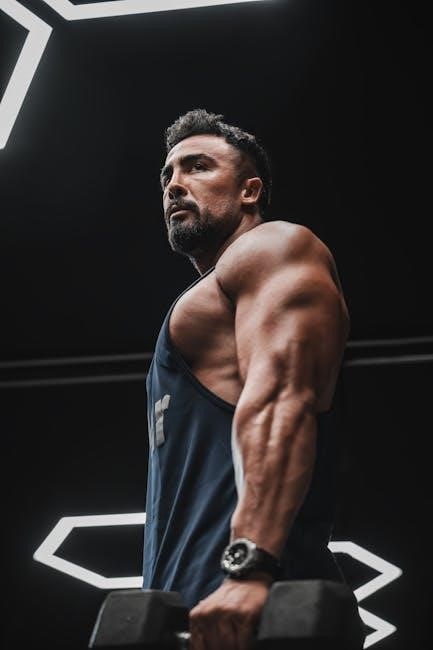
Compound exercises trigger a greater hormonal response, releasing testosterone and growth hormone, crucial for muscle development. They also allow for heavier loads to be lifted, further challenging the neuromuscular system. Arnold didn’t neglect isolation work entirely, but considered it supplementary to the core foundation of compound lifts. Mastering these movements, with proper form, was paramount to achieving his physique. They remain cornerstones of effective bodybuilding programs today.
Squats: The King of Exercises
Arnold Schwarzenegger famously declared squats “the king of exercises,” and for good reason. He considered them absolutely fundamental for building overall leg mass, strength, and even contributing to upper body development through systemic stress. Squats aren’t just about leg muscles; they’re a full-body exercise demanding core stability, back strength, and coordination.
Arnold advocated for deep squats, emphasizing a full range of motion to maximize muscle fiber recruitment. He often performed heavy barbell squats, but also incorporated variations like front squats and hack squats to target different areas of the legs. Proper form was non-negotiable, prioritizing a straight back and controlled descent. He believed consistent, challenging squat sessions were the bedrock of a powerful physique, and a key component of his blueprint to mass.
Bench Press: Building a Powerful Chest
Arnold Schwarzenegger viewed the bench press as crucial for developing a broad, powerful chest – a hallmark of his physique. He didn’t simply focus on flat bench pressing, however. Arnold incorporated a variety of angles and grips to comprehensively target all areas of the pectoral muscles. This included incline and decline bench presses, utilizing both barbell and dumbbell variations.
He emphasized controlled negatives and explosive concentric movements, maximizing muscle fiber damage and stimulating growth. Arnold also stressed the importance of a full range of motion, ensuring the bar touched the chest on each repetition. He often employed techniques like forced reps and drop sets to push beyond failure. For Arnold, the bench press wasn’t just about lifting weight; it was about sculpting a chest that commanded attention and contributed to overall upper body mass.
Deadlifts: Total Body Strength and Mass
Arnold considered the deadlift a foundational exercise, not just for back strength, but for overall systemic development. He believed it built a powerful base for all other lifts and contributed significantly to total body mass. Arnold advocated for a conventional deadlift style, emphasizing a strong back and proper form to prevent injury.
He stressed maintaining a straight back throughout the entire movement, initiating the lift with the legs and glutes, and avoiding rounding. Arnold didn’t shy away from heavy weight, but always prioritized technique. He incorporated variations like rack pulls to target specific areas of the back and improve lockout strength. For Arnold, the deadlift wasn’t merely a lift; it was a test of strength, willpower, and a cornerstone of his mass-building philosophy.
Progressive Overload: Continuously Challenging Muscles
Arnold firmly believed that muscle growth demanded constant challenge. Progressive overload – gradually increasing the stress placed upon the muscles – was central to his training. This wasn’t simply about adding weight, though that was a primary method. Arnold advocated for manipulating variables like reps, sets, and rest times to continually push past plateaus.

He emphasized meticulous record-keeping to track progress and ensure consistent overload. If weight increases weren’t possible, he’d focus on improving form, increasing time under tension, or reducing rest periods. Arnold understood that muscles adapt quickly; therefore, stagnation was the enemy. His approach wasn’t linear; he’d cycle through periods of higher and lower intensity, always striving to surpass previous performance. This relentless pursuit of overload fueled his legendary physique.
Nutrition for Mass Gain: Fueling the Machine
Arnold recognized that bodybuilding wasn’t solely about lifting weights; it was equally about providing the body with the necessary building blocks for repair and growth. His nutritional philosophy centered around consuming a high-calorie diet, rich in protein, carbohydrates, and healthy fats. He wasn’t a proponent of restrictive dieting, believing that sufficient caloric intake was crucial for maximizing muscle mass.
Protein was paramount, serving as the foundation for muscle tissue. Carbohydrates provided the energy needed to fuel intense workouts and replenish glycogen stores. Healthy fats played a vital role in hormonal balance and overall health. Arnold advocated for frequent meals throughout the day to maintain a consistent supply of nutrients. He understood that nutrition was the fuel that powered his machine, enabling him to push his body to its limits.
Protein Intake: The Building Blocks of Muscle
Arnold Schwarzenegger consistently emphasized protein as the cornerstone of muscle growth, viewing it as the essential building block for repairing and expanding muscle tissue. He advocated for a substantial daily intake, significantly higher than the average person’s requirements, to support his intense training regimen and ambitious physique goals. While specific amounts varied based on his training phase, he generally consumed around 1.5 to 2 grams of protein per pound of bodyweight.
His protein sources were diverse, including lean meats like chicken and beef, fish, eggs, and dairy products. He understood the importance of complete proteins, containing all essential amino acids, for optimal muscle protein synthesis. Arnold believed consistent protein consumption throughout the day, rather than one large intake, was more effective for maximizing muscle recovery and growth.
Carbohydrates: Energy for Workouts
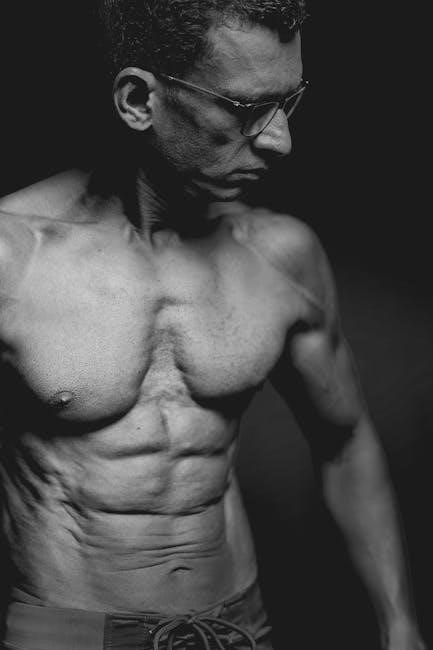
Arnold Schwarzenegger recognized carbohydrates as the primary fuel source for his demanding workouts, crucial for powering through intense training sessions and replenishing glycogen stores depleted during exercise. He didn’t subscribe to low-carb diets, understanding their detrimental impact on performance and muscle fullness. Instead, he strategically timed his carbohydrate intake to maximize energy levels and recovery.

His carbohydrate choices leaned towards complex sources like brown rice, oats, sweet potatoes, and whole-wheat bread, providing sustained energy release. He’d often consume a carbohydrate-rich meal before training to fuel his workouts and a post-workout meal to replenish glycogen. Arnold also acknowledged the role of simple carbohydrates, like fruit, post-workout to quickly restore energy levels. He believed in a balanced approach, tailoring carbohydrate intake to his activity level and physique goals.
Healthy Fats: Hormonal Support and Overall Health
Arnold understood that healthy fats weren’t the enemy, but essential components of a mass-building diet, playing a vital role in hormonal production, particularly testosterone, crucial for muscle growth and recovery. He prioritized unsaturated fats from sources like avocados, nuts, seeds, olive oil, and fatty fish like salmon. These fats support overall health and provide sustained energy.
He wasn’t afraid of including some saturated fats, recognizing their importance for hormonal function, but emphasized moderation. Arnold avoided trans fats entirely, understanding their negative impact on health. He believed that adequate fat intake ensured optimal nutrient absorption and supported cellular function. He didn’t view fats as simply caloric additions, but as integral to the body’s physiological processes, contributing to his overall physique and well-being.
The Importance of Mind-Muscle Connection
Arnold consistently stressed the significance of the mind-muscle connection – truly feeling the muscle working during each repetition. It wasn’t just about lifting the weight, but about consciously contracting and controlling the targeted muscle group throughout the entire range of motion. He visualized the muscle fibers shortening and lengthening, maximizing their activation.
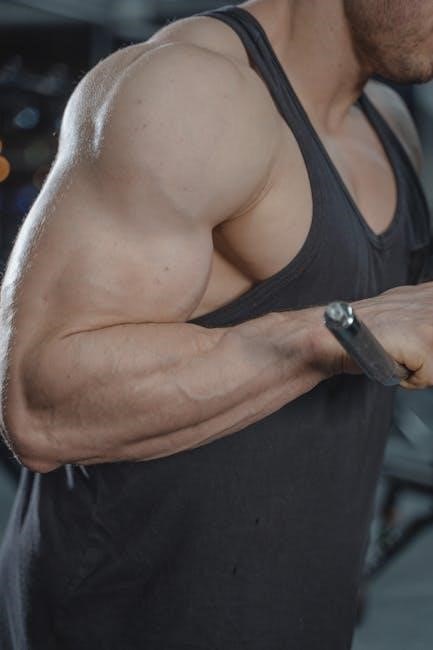
This wasn’t simply a mental exercise; Arnold believed it directly impacted muscle fiber recruitment and growth. By focusing intently, he could identify and correct weaknesses, ensuring each muscle received optimal stimulation. He’d often slow down the tempo of his reps to enhance this connection, prioritizing quality over quantity. This deliberate approach allowed him to build a physique that was not only massive but also incredibly defined and symmetrical.
Arnold’s Approach to Cardio and Conditioning
While renowned for his mass-building prowess, Arnold understood the crucial role of cardio and conditioning in achieving a complete physique. He didn’t believe in excessive endurance work that could hinder muscle growth, but rather incorporated strategic cardio to maintain leanness and enhance overall athleticism. His approach was varied, including brisk walking, swimming, and even soccer – activities he genuinely enjoyed.
Arnold’s cardio wasn’t solely focused on fat loss; it improved his cardiovascular health, allowing him to push harder during intense weight training sessions. He’d often perform low-intensity steady-state cardio for 30-45 minutes several times a week. This, combined with his demanding training regimen, kept his body in peak condition, showcasing not just size, but also definition and stamina.
Supplementation: Enhancing Results (With Caution)
Arnold always emphasized that supplements were additions to a solid foundation of training and nutrition, not replacements for them. He believed in maximizing natural potential first, and then strategically using supplements to bridge any gaps. Protein powder was a staple, aiding in muscle recovery and growth, particularly post-workout. Multivitamins ensured he met his micronutrient needs, supporting overall health and performance.
However, Arnold cautioned against relying heavily on supplements or chasing the latest trends. He stressed the importance of research and understanding what each supplement does. Creatine, for instance, was utilized to enhance strength and power, but always alongside a disciplined diet and training plan. He advocated for a cautious approach, prioritizing whole foods and proven methods before experimenting with unverified products.
The Arnold Sports Festival: A Legacy of Fitness
The Arnold Sports Festival, initiated by Arnold Schwarzenegger, stands as a monumental celebration of strength, athleticism, and the pursuit of physical perfection. Originating as a bodybuilding competition, it has evolved into a multi-sport extravaganza attracting athletes and enthusiasts globally. The festival showcases a diverse range of disciplines, including bodybuilding, fitness, strongman, martial arts, and even chess!
More than just a competition, the Arnold Sports Festival embodies Arnold’s lifelong dedication to fitness and his desire to inspire others. It provides a platform for athletes to showcase their dedication and for fans to witness incredible feats of strength and skill. The event’s continued success, with record-breaking attendance in 2026, solidifies its place as a premier fitness event and a lasting tribute to Arnold’s legacy.
Joseph Baena: Continuing the Family Legacy
Joseph Baena, Arnold Schwarzenegger’s son, is rapidly establishing himself as a formidable force in the world of bodybuilding, carrying forward the family’s renowned legacy. His recent triumph at the NPC Natural Colorado State competition, securing first place in multiple categories, marks a significant milestone in his athletic journey. This victory, occurring in March 2026, demonstrates his dedication and commitment to the sport.
Baena’s pursuit of bodybuilding isn’t merely about replicating his father’s achievements; it’s about forging his own path while honoring the principles of discipline and hard work instilled by Arnold. He embodies the spirit of perseverance, showcasing a natural talent combined with rigorous training. His rising success is inspiring a new generation and solidifying the Schwarzenegger family’s enduring impact on the fitness world.

Arnold’s Film Career and Financial Success
Arnold Schwarzenegger’s transition from bodybuilding champion to Hollywood superstar is a testament to his ambition and charisma. He rose to prominence through iconic roles in blockbuster action films like “Conan the Barbarian,” “Predator,” “True Lies,” and the globally recognized “Terminator” series, becoming a household name and action movie icon.
His success extends far beyond critical acclaim; Schwarzenegger has amassed an estimated fortune of $500 million through movie paychecks and profit-sharing deals, solidifying his position as one of the highest-paid actors in Hollywood history. This financial success allowed him to pursue other ventures, including a successful political career and philanthropic endeavors. His ability to leverage his fame and physique into a multifaceted career demonstrates exceptional business acumen and enduring appeal.
Arnold’s Political Career as Governor of California
Arnold Schwarzenegger’s foray into politics was as unexpected as it was impactful. Elected as the 38th Governor of California in 2003, he served two terms, from 2003 to 2011, navigating complex issues with a pragmatic and often bipartisan approach. His campaign, fueled by public dissatisfaction and his celebrity status, challenged the traditional political landscape.
During his tenure, Schwarzenegger focused on fiscal responsibility, environmental protection, and healthcare reform. He championed initiatives like the Global Warming Solutions Act of 2006, aiming to reduce greenhouse gas emissions, and worked to expand access to affordable healthcare. Despite facing political hurdles, he left a lasting legacy, demonstrating that a non-traditional path could lead to significant political influence and policy changes within the state of California.
Arnold Rendering in 3D Graphics: A Technical Overview
Arnold is a Monte Carlo ray tracing renderer renowned for its realism and efficiency in film and animation. Developed by Arnold Research, and now owned by Autodesk, it excels at simulating complex lighting scenarios, producing photorealistic images. Its core strength lies in its ability to accurately model the physical behavior of light, including global illumination, reflections, and refractions.
Technically, Arnold utilizes advanced sampling techniques to reduce noise and render high-quality images efficiently. It supports a wide range of shaders and textures, allowing artists to create incredibly detailed and nuanced materials. Widely adopted by over 300 leading studios, Arnold’s versatility and scalability make it a cornerstone of modern visual effects pipelines, delivering stunning visuals for blockbuster films and animated productions.
Leave a Reply
You must be logged in to post a comment.