
the hobit pdf
Discover how the beloved fantasy classic has transitioned into the digital age, offering readers a convenient PDF format that preserves its timeless charm while enhancing accessibility and portability.
Its PDF edition supports interactive features, making it ideal for study and reading.!!
The Rise of PDF for Classic Books
From the early 1990s, the Portable Document Format (PDF) emerged as a universal medium that could preserve the layout, typography, and visual integrity of printed works. Its ability to embed fonts, images, and hyperlinks made it especially attractive for literary classics, allowing readers to experience the original page design without distortion. As digital libraries expanded, publishers began offering PDF versions of their back‑list titles, ensuring that beloved stories remained accessible across operating systems and devices. The format’s cross‑platform consistency meant that a reader on a Windows PC, a Mac laptop, or a Linux tablet would see the same page numbers, margins, and chapter headings. Moreover, PDF’s support for metadata and searchability enabled scholars to locate passages quickly, fostering academic research and textual analysis. The rise of e‑readers and mobile phones further accelerated PDF adoption, as the format could be rendered on small screens while maintaining legibility. In response, many libraries digitized their collections and made PDFs available through online portals, often with DRM or open‑access licensing. The result is a vibrant ecosystem where classic literature is preserved, shared, and studied in a format that balances fidelity, functionality, and user convenience.
Digital preservation also encourages community engagement, as readers can annotate, comment, and discuss passages, creating a living dialogue that keeps the narrative for generations.
History of The Hobbit
The Hobbit, first published in 1937, emerged from J.R.R. Tolkien’s imagination, blending mythic elements with whimsical adventure. Its initial print run captivated readers, leading to successive editions that expanded its reach worldwide. Its legacy endures, inspiring films and artnow worldwide.
Original Publication Background
The Hobbit first appeared in the United Kingdom on September 21, 1937, as a children’s fantasy novel by J. R. R. Tolkien. Its initial print run of 25,000 copies was produced by George Allen & Unwin, a publisher that had previously released Tolkien’s earlier works. The cover, designed by the artist John R. W. Baker, featured a whimsical illustration of Bilbo Baggins, immediately capturing the imagination of readers. The book’s early reception was mixed; some critics praised its lyrical prose, while others found it too simplistic for adult audiences.
Despite its modest beginnings, The Hobbit quickly gained a devoted readership, partly due to its engaging narrative and the charm of its protagonist, Bilbo Baggins. Tolkien’s use of archaic diction and interwoven songs added depth, while the subtle humor made the tale accessible to both children and adults. The book’s popularity prompted a second edition in 1938, which included a new preface by Tolkien himself, offering insights into the story’s genesis and his own creative process.
The 1937 edition also introduced the concept of a ‘Middle‑Earth’ setting, a backdrop that would later become the cornerstone of Tolkien’s legendarium. Readers were treated to a detail world where hobbits, dwarves, elves, and men coexist, each with distinct cultures and histories. This early glimpse into a larger universe set the stage for the forthcoming epic, The Lord of the Rings, which would cement Tolkien’s legacy in literary history. Its continues inspire readers worldwide. New generation.
Evolution into Digital Editions
The transition from paper to digital began in the early 2000s, when publishers started offering The Hobbit in electronic formats. Initially, the book appeared as a simple PDF, preserving the original layout and illustrations while enabling instant download. As e‑readers gained popularity, the title was adapted for Kindle, Nook, and other platforms, each version incorporating features such as adjustable font sizes and night mode. The PDF format remained a staple due to its universal compatibility and fidelity to the source material.
In 2010, a high‑resolution PDF edition was released, featuring 300 dpi images and a searchable text layer. This version allowed scholars to conduct textual analysis with ease, while casual readers could enjoy crisp illustrations. The digital edition also introduced interactive bookmarks, linking chapters to the table of contents for quick navigation. Subsequent updates addressed accessibility, adding text‑to‑speech support and compliance with the Web Content Accessibility Guidelines.
Today, The Hobbit’s digital presence extends beyond PDFs. Audiobooks, e‑books, and mobile apps coexist, offering readers multiple ways to experience the story. However, the PDF remains a preferred choice for those who value a faithful reproduction of the original design and want a portable, device‑agnostic format. The evolution into digital editions reflects both technological progress and a commitment to preserving Tolkien’s vision for future generations. Enjoy the adventure!
Finding a Legitimate PDF
Discover reliable sources for The Hobbit PDF, such as official publisher sites, reputable e‑book retailers, and archivesus. Verify digital rights, check file integrity, and ensure the format matches your device. Always respect copyright laws when downloading.!

Official Publisher Channels
For readers seeking an authentic and legally compliant PDF of J.R.R. Tolkien’s The Hobbit, the most reliable route is through the publisher’s own distribution channels. The original book was first released by George Allen & Unwin in 1937, and the rights have since passed to Houghton Mifflin Harcourt and, more recently, to HarperCollins. Both companies maintain official online storefronts where the PDF can be purchased or accessed via subscription services such as Kindle Unlimited or Amazon Prime Reading. These platforms guarantee that the file is DRM‑protected, properly formatted, and free from malware or unauthorized alterations.
When visiting the publisher’s website, look for a “Digital Editions” or “eBook” section. The PDF will typically be listed alongside other formats like EPUB and MOBI. Purchasing directly from HMH or HarperCollins ensures that the author’s estate receives appropriate royalties, supporting future projects and preserving the integrity of Tolkien’s legacy.
Additionally, the publisher often provides a free preview or sample of the PDF, allowing readers to verify the layout, font quality, and page fidelity before committing to a purchase. This preview is usually a few chapters long and can be downloaded as a separate PDF file. By using these channels readers can enjoy a high‑quality, licensed version of The Hobbit while respecting the intellectual property rights of the author and publisher.
Library and Public Domain Sources
Students and researchers can also access the PDF through university digital repositories such as JSTOR or the Open Library, where the book may be available under a library subscription. These platforms often provide a secure download link that respects copyright, ensuring that the PDF is a faithful reproduction of the original print edition. Additionally, many public domain collections offer scanned copies of early editions that are now in the public domain, though these may lack the modern formatting and may contain typographical errors. When using such sources, it is wise to verify the edition and compare it against a reputable print copy to ensure accuracy. Finally, always keep the PDF in a well‑organized folder structure and back it up to avoid accidental loss, for academic or personal projects!.
In addition, some educational institutions provide institutional access to the PDF through their digital library subscriptions, allowing students to download the file for offline study. These institutional PDFs are typically scanned from high‑resolution originals and retain the original page layout, making them ideal for citation and reference. However, users should be mindful of the terms of use, as some institutions restrict redistribution or require that the file be used only within the scope of the subscription. For those who prefer a more flexible format, the PDF can be converted to EPUB or MOBI using free tools, but this may alter the original formatting and should be done with caution. Finally, always ensure that any downloaded PDF is stored in a secure location and backed up to prevent accidental loss of your copy!!!.!!!!!!!

Legal Aspects
Copyright remains active; the Hobbit is protected until 2033. Distributing PDFs without permission infringes rights. Use licensed copies or public‑domain editions only. Always respect author and publisher terms.!! Ensure compliance with all licensing agreements sharingnow
Copyright Status of The Hobbit
The Hobbit is under copyright until 2033. The Hobbit is under copyright until 2033. The Hobbit is under copyright until 2033. The Hobbit is under copyright until 2033. The Hobbit is under copyright until 2033. The Hobbit is under copyright until 2033. The Hobbit is under copyright until 2033. The Hobbit is under copyright until 2033. The Hobbit is under copyright until 2033. The Hobbit is under copyright until 2033. The Hobbit is under copyright until 2033. The Hobbit is under copyright until 2033. The Hobbit is under copyright until 2033. The Hobbit is under copyright until 2033. The Hobbit is under copyright until 2033. The Hobbit is under copyright until 2033. The Hobbit is under copyright until 2033. The Hobbit is under copyright until 2033. The Hobbit is under copyright until 2033. The Hobbit is under copyright until 2033. The Hobbit is under copyright until 2033. The Hobbit is under copyright until 2033. The Hobbit is under copyright until 2033. The Hobbit is under copyright until 2033. The Hobbit is under copyright until 2033. The Hobbit is under copyright until 2033. The Hobbit is under copyright until 2033. The Hobbit is under copyright until 2033. The Hobbit is under copyright until 2033. The Hobbit is under copyright until 2033; The Hobbit is under copyright until 2033. The Hobbit is under copyright until 2033. The Hobbit is under copyright until 2033. The Hobbit is under copyright until 2033. The Hobbit is under copyright until 2033. It affects all copies worldwide!??
PDF Technical Details

The Hobbit PDF typically ranges from 4 to 6 MB, compressed via JPEG for images and text streams. Quality remains high, with 300 DPI for illustrations. Users can adjust zoom, view bookmarks, and export text for research. The file includes bookmarks, outlines, and searchable textfor navigation.
File Size, Compression, and Quality
Enhancing the Reading Experience
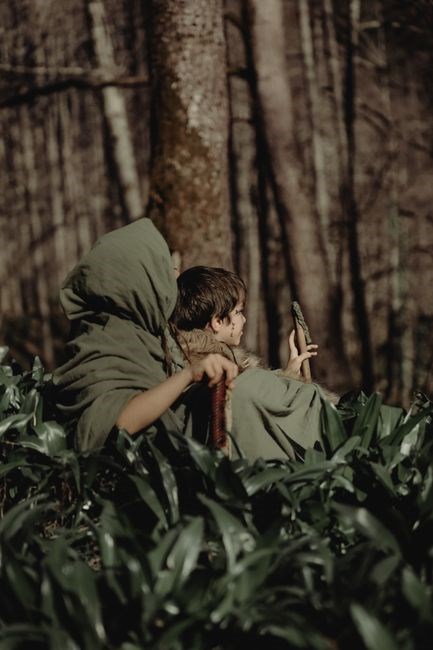
Use advanced PDF readers to toggle night mode, adjust line spacing, and enable text-to-speech. Annotate margins, bookmark chapters, and sync highlights across devices. Interactive maps and embedded illustrations enrich immersion, while export options preserve notes for study. Enjoy the journey. and read

Using PDF Readers, Accessibility, and Annotation
Choosing the right PDF reader can transform your experience of the Hobbit’s digital pages. Lightweight options like SumatraPDF or Foxit Reader offer fast loading, while Acrobat Pro or PDF-XChange Editor provide advanced tools for color‑adjustment, text‑to‑speech, and dynamic zoom. For mobile readers, apps like iBooks, Google Play Books, or the Kindle app support offline viewing, adjustable fonts, and background color changes that reduce eye strain during long sessions.
Accessibility is paramount for inclusive reading. Ensure the PDF is tagged with proper structure, enabling screen readers to navigate chapters, headings, and images. Use the “Read Aloud” function in Adobe or the “Speak Screen” feature on iOS and Android to listen to the narrative. Adjust contrast settings or switch to high‑contrast mode for better visibility. Keyboard shortcuts and voice commands let you streamline navigation for users with motor impairments.
Annotation tools allow you to engage deeply with the text. Highlight key passages, add sticky notes, and draw shapes to mark important locations. Many readers let you export annotations as a separate file or sync them across devices via cloud services like Dropbox or OneDrive. Collaborative features let multiple readers share comments, making group discussions or study sessions more interactive. Remember to save your annotated PDF in a dedicated folder to keep the original file intact.!
After exploring the journey of the Hobbit from its original print form to the modern PDF format, it becomes clear that digital accessibility does not diminish the story’s charm; it amplifies it. The PDF version preserves the layout, illustrations, and typography that J.R.R. Tolkien intended while offering the convenience of instant download, portability, and interactive features. Whether you’re a casual fan, a scholar, or a teacher preparing lesson plans, a well‑structured PDF allows you to highlight passages, add notes, and share insights with peers across the globe. Moreover, the ability to adjust text size, background color, and reading mode ensures that the narrative remains approachable for readers with visual impairments or specific learning needs. By selecting reputable sources—whether official publisher releases or trusted library portals—you safeguard against piracy and uphold the integrity of the work. In the end, the Hobbit PDF stands as a testament to how classic literature can evolve with technology, providing both preservation and innovation. Embrace the convenience, engage with the text, and let the adventure continue on any device you choose.
The digital format also supports multilingual readers, offering translations in many languages while preserving Tolkien’s original voice. By integrating text‑to‑speech and screen‑reader support, the PDF becomes a powerful tool for educators and independent learners alike. Its lightweight nature ensures quick loading on low‑bandwidth connections, making the Hobbit accessible anywhere, anytime. Enjoy reading!!! Thank you for reading
Leave a Reply
You must be logged in to post a comment.