
retractable manual awning
Retractable Manual Awnings: A Comprehensive Guide
Retractable manual awnings offer versatile shade solutions, extending and retracting with a hand crank, typically costing between $200 and $3,000 installed․
These custom-sized options, like those from Sunesta, provide affordable comfort and UV protection for patios, decks, and windows․
What is a Retractable Manual Awning?
Retractable manual awnings are exterior shading structures designed to be extended and retracted as needed, offering flexible control over sunlight and shade․ Unlike fixed awnings, these provide adaptability to changing weather conditions, maximizing outdoor enjoyment․
Operation is typically achieved through a hand crank mechanism, allowing users to easily adjust the awning’s position․ These awnings are a cost-effective alternative to motorized versions, generally ranging from $200 to $3,000 installed, depending on size and features․
They are commonly used over patios, decks, windows, and doorways, providing protection from the sun’s harmful UV rays and creating comfortable outdoor living spaces․ Customization is a key feature, with options for various fabrics, colors, and sizes to complement any home’s aesthetic․
Benefits of Choosing a Retractable Awning
Retractable awnings deliver numerous advantages, enhancing outdoor living spaces․ They provide effective sun protection, shielding from harmful UV rays and reducing glare, creating comfortable areas for relaxation․ Controlling sunlight also helps lower indoor temperatures, potentially reducing energy costs associated with cooling․
These awnings extend your usable living space, transforming patios and decks into inviting outdoor rooms․ Manual models offer an affordable entry point into retractable awning ownership, typically costing less than motorized options․
Furthermore, they offer flexibility – extend for shade, retract during inclement weather․ Quality fabrics resist fading, ensuring long-lasting beauty and functionality, adding value and enjoyment to your home․
Manual vs․ Motorized Retractable Awnings
Manual retractable awnings utilize a hand crank or lever for operation, offering a cost-effective solution compared to motorized versions․ While requiring physical effort to extend and retract, they eliminate the need for electrical wiring and associated costs․ Installation typically ranges from $200 to $3,000․
Motorized awnings, conversely, provide effortless operation with the push of a button, often including features like remote control and sensors․ However, they come with a significantly higher price tag, potentially exceeding $2,700 for installation․
The choice depends on budget and convenience preferences; manual awnings prioritize affordability, while motorized models emphasize ease of use․
Cost Considerations for Retractable Manual Awnings
Retractable manual awning costs range from $200 to $3,000 installed, with per-square-foot pricing between $6 and $9, varying by size and materials․
Average Installation Costs (January 2026)
As of January 2026, the basic installation cost for a retractable awning averages between $18․26 and $25․40 per square foot․ However, this figure is highly susceptible to fluctuations based on specific site conditions and any chosen optional features․
A typical 8-foot motorized retractable awning installed over a deck will likely cost around $2,700․ Window or door awnings generally range from $350 to $900 for installation, while larger patio or deck coverings can run from $1,000 to $6,000․
Homeowners commonly pay between $12․50 and $27․50 per square foot, encompassing both materials and professional labor․ Remember that opting for higher-quality, UV-resistant fabrics will impact the overall investment․
Cost Per Square Foot Breakdown
For manual retractable awnings, installation typically falls within a range of $6 to $9 per square foot․ This cost encompasses the labor involved in securely mounting the awning and ensuring proper functionality․ Material costs, however, significantly influence the final price․
Lower-priced options may lack UV-resistant fabric, potentially leading to fading and a shorter lifespan․ Investing in higher-quality materials, particularly fabrics designed to withstand prolonged sun exposure, is crucial for long-term value․
Custom sizing, a common feature with brands like Sunesta, directly impacts the square footage and, consequently, the overall cost․ Careful measurement and planning are essential for an accurate estimate․
Factors Influencing Total Cost
Several elements contribute to the final price of a retractable manual awning installation․ Site conditions, such as the mounting surface (wood, brick, or concrete), can affect labor time and required materials․ Awning size is a primary driver, with larger areas naturally costing more․
Fabric choice significantly impacts the budget; UV-resistant materials command a higher price but offer superior longevity․ The complexity of the installation, including any necessary structural modifications, also adds to the expense․
Choosing a reputable brand like Sunesta may involve a premium, but often guarantees quality and durability․ Finally, geographical location influences labor rates and material availability․
Types of Retractable Manual Awnings
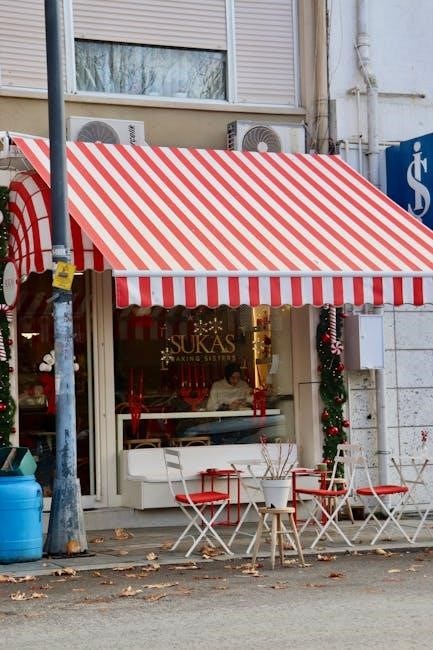
Retractable manual awnings come in diverse styles, including standard patio models, side awnings for targeted shade, and Sun Drop window awnings for focused coverage;
Standard Retractable Awnings
Standard retractable awnings are the most common type, designed to extend from your house and provide shade over a patio or deck area․ These awnings are typically operated using a manual hand crank, allowing you to adjust the extension and retraction as needed․
They are fully customizable, meaning the fabric, frame color, and size can be tailored to your specific needs and aesthetic preferences․ Sunesta offers a wide range of fabric options, ensuring UV resistance to prevent fading over time․
Installation usually involves securely mounting the awning bracket to your home’s exterior, and the cost can vary significantly based on the awning’s size and the complexity of the installation․ Expect to pay between $1,000 and $6,000 for a standard retractable awning, including professional installation․
Side Awnings
Side awnings, also known as lateral awnings, are designed to provide shade and protection from the sun and wind along the side of a patio, deck, or even a window․ Unlike standard awnings that extend outwards, side awnings drop vertically, creating a privacy screen or windbreak․
These are particularly useful in areas prone to strong winds or where you desire more seclusion․ They are generally manually operated, utilizing a hand crank for easy extension and retraction․
While potentially less expensive than larger deck awnings, installation still requires secure mounting to a suitable structure․ Costs typically range from $350 to $900 for the awning itself, with installation adding to the overall expense․ Sunesta provides options for these specialized shade solutions․
Window Awnings (Sun Drop Style)
Window awnings, often referred to as Sun Drop style awnings, are specifically designed to shade individual windows, reducing heat gain and protecting interiors from fading․ These compact awnings are typically retractable, allowing sunlight during cooler months․
Manually operated versions utilize a simple crank mechanism for easy adjustment․ Sunesta’s Sun Drop awnings are a popular choice, offering custom sizing to perfectly fit various window dimensions․ Installation generally costs between $350 and $900 per window․
They are an energy-efficient solution, potentially lowering cooling costs, and contribute to a classic aesthetic․ Proper installation ensures durability and reliable performance, shielding windows from harsh weather․
Installation Process & DIY vs․ Professional
Installation involves preparing the mounting surface, securing brackets, and attaching the awning; professional installation ranges from $300 to $1,000, ensuring proper function․
Preparing for Installation
Before installation, carefully assess the mounting surface – whether it’s a wall, fascia board, or freestanding frame – ensuring it’s structurally sound and capable of supporting the awning’s weight․
Accurate measurements are crucial; determine the precise width and height for a proper fit, considering any obstructions like doors or windows․
Clear the installation area, removing any furniture, plants, or decorations․
Gather necessary tools, including a drill, level, measuring tape, wrench, and appropriate hardware․
Inspect the awning components, verifying all parts are present and undamaged․
Finally, familiarize yourself with the manufacturer’s instructions, as specific models may have unique preparation requirements for a successful and secure installation․
Professional Installation: What to Expect
When hiring professionals for retractable awning installation, expect a thorough assessment of your mounting surface to ensure structural integrity and proper support․
The installers will precisely measure and mark the mounting points, utilizing appropriate hardware for a secure attachment․
They’ll expertly assemble the awning frame and fabric, carefully aligning and securing all components․
Expect them to test the hand crank operation, verifying smooth extension and retraction․
A reputable installer will explain the awning’s features and provide maintenance tips․
The entire process typically takes a few hours, and costs range from $350 to $900, depending on the awning size and complexity․
DIY Installation Considerations
Attempting a DIY installation requires careful planning and a solid understanding of structural requirements․ Ensure your mounting surface – whether wall or soffit – can adequately support the awning’s weight․
Accurate measurements are crucial; misaligned mounting brackets can lead to operational issues․
You’ll need appropriate tools, including drills, levels, and wrenches, and potentially a helper for lifting and aligning the awning․
Thoroughly review the manufacturer’s instructions and safety guidelines before beginning․
Be mindful of electrical wiring or plumbing within the mounting area․
Incorrect installation can void warranties and compromise safety, so assess your skills honestly before proceeding․
Materials & Durability
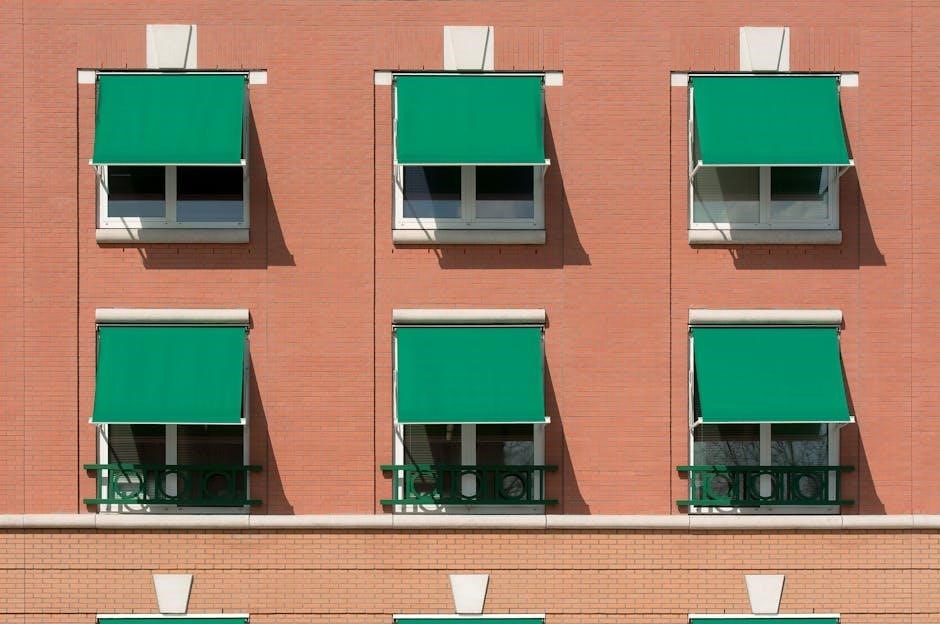
Retractable awnings utilize aluminum or steel frames for robust support, paired with fabrics chosen for UV resistance to prevent fading over time․
Awning Fabric Options & UV Resistance
Choosing the right fabric is crucial for a retractable awning’s longevity and performance․ Acrylic fabrics are popular due to their excellent colorfastness and resistance to mildew, offering substantial UV protection․ Polyester fabrics present a more budget-friendly option, though they may exhibit less UV resistance and fade quicker without treatment․
UV resistance is paramount, as prolonged sun exposure can degrade fabrics, leading to color loss and structural weakening․ Higher quality awnings, like those from Sunesta, prioritize fabrics with robust UV coatings․ Lower-priced options may skimp on this feature, resulting in premature fading and reduced lifespan․
Consider the fabric weight; heavier fabrics generally offer better durability and UV protection․ Regular cleaning and maintenance, as recommended by the manufacturer, will also extend the fabric’s life and maintain its appearance․
Frame Materials: Aluminum vs․ Steel
The awning frame’s material significantly impacts its durability and weight․ Aluminum is the dominant choice for retractable awning frames due to its lightweight nature and inherent resistance to rust and corrosion, making it ideal for outdoor exposure․ Steel frames, while stronger, are considerably heavier and susceptible to rust if not properly treated with protective coatings․
Aluminum’s lighter weight simplifies installation and reduces stress on the mounting structure․ While steel offers greater structural rigidity, the added weight can complicate the installation process and potentially require additional support․
Sunesta primarily utilizes aluminum in its awning frames, balancing strength with ease of operation․ The choice between materials often depends on the awning’s size and the desired level of support․
Longevity and Maintenance
A well-maintained retractable manual awning can provide years of reliable service․ Longevity hinges on fabric quality; cheaper options lacking UV resistance will fade and degrade faster․ Regular cleaning is crucial – mild soap and water remove dirt and mildew, extending the fabric’s life․
Aluminum frames require minimal maintenance, resisting rust․ Inspect the mounting hardware annually, tightening bolts as needed․ Retract the awning during severe weather to prevent damage from wind or heavy snow․
Sunesta awnings, known for quality, benefit from periodic fabric protection treatments․ Proactive care ensures optimal performance and maximizes the awning’s lifespan, protecting your investment․
Operation & Features
Retractable manual awnings utilize a simple hand crank for extension and retraction, offering adjustable angle settings for customized shade․
While wind sensors are limited in manual models, proper retraction protects against damage․
Hand Crank Operation Explained
Manual retractable awnings rely on a straightforward hand crank mechanism for operation, providing users with direct control over extension and retraction․ Typically located on the awning’s housing, the crank requires a consistent turning motion to unfurl or retract the fabric canopy․
Turning the crank clockwise usually extends the awning, while counter-clockwise retracts it․ The resistance felt during operation indicates the awning’s tension and stability․ It’s crucial to maintain a steady pace to ensure even deployment or retraction, preventing uneven stress on the fabric and frame․
Regularly lubricating the crank mechanism can ensure smooth operation and prolong the awning’s lifespan․ Understanding this simple system empowers homeowners to manage their shade effortlessly and efficiently․
Adjustable Angle Settings
Retractable manual awnings often feature adjustable angle settings, enhancing their versatility and sun protection capabilities․ These settings allow homeowners to customize the awning’s pitch, optimizing shade throughout the day as the sun’s position changes․
Typically, angle adjustments are made using support arms or locking mechanisms integrated into the awning’s design․ By altering the angle, you can maximize shade coverage, minimize glare, and even redirect sunlight to suit your needs․
Proper angle adjustment also contributes to water runoff during rain, preventing pooling and potential damage․ This feature provides greater control over your outdoor environment, ensuring comfort and protection in various weather conditions․
Wind Sensors & Automatic Retraction (Limited in Manual Models)
Retractable manual awnings, by their nature, have limited automatic features compared to motorized versions․ While fully automatic retraction triggered by wind sensors is uncommon in manual models, some designs incorporate features to aid in safe operation during breezy conditions․
Generally, manual awnings rely on the homeowner to monitor wind speeds and manually retract the awning when necessary․ It’s crucial to retract the awning to prevent damage to the fabric, frame, or mounting hardware during strong gusts․
Some manufacturers recommend specific wind speed limits for safe operation․ Though lacking automatic sensors, responsible usage and awareness of weather conditions are key to enjoying a manual awning’s benefits safely․
Choosing the Right Size & Style
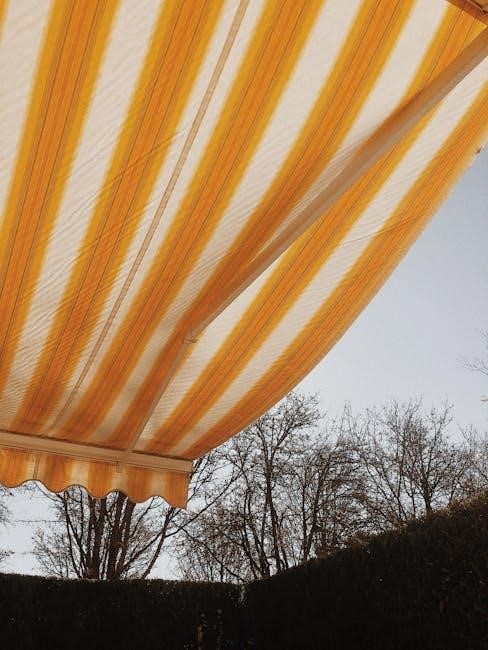
Selecting the ideal awning involves precise space measurement and matching the style to your home’s aesthetic, with color and fabric choices crucial for appeal․
Measuring Your Space
Accurate measurements are paramount when selecting a retractable manual awning․ Begin by determining the width of the area you intend to shade; this dictates the awning’s horizontal projection․
Next, measure the vertical space available, ensuring sufficient clearance for the awning’s extension and retraction without obstruction․ Consider the mounting surface – whether a wall, deck, or soffit – and its structural integrity․
For windows, measure the window’s width and height to ensure a proper fit for a Sun Drop style awning․
Remember to account for the awning’s mechanism and any necessary overhang․ Precise measurements guarantee a snug, functional, and aesthetically pleasing installation, avoiding costly adjustments later․
Matching Awning Style to Your Home
Selecting an awning style that complements your home’s architecture is crucial for aesthetic harmony․ Traditional homes often benefit from standard retractable awnings, offering classic coverage for patios and decks․
Modern homes might suit sleek, minimalist designs․ Side awnings provide targeted shade for windows or narrow spaces, while Sun Drop window awnings add a charming touch to cottage or bungalow styles․
Consider the roofline and existing exterior features․ A retractable awning should enhance, not detract from, your home’s overall appearance․
Think about the awning’s profile and how it will look both extended and retracted, ensuring it integrates seamlessly with your home’s design․
Color and Fabric Selection
Choosing the right color and fabric significantly impacts your awning’s performance and appearance․ Opt for UV-resistant fabrics to prevent fading and ensure longevity, as lower-priced options may lack this crucial feature․
Consider your home’s exterior color scheme․ Neutral tones like beige or gray offer versatility, while bolder colors can create a striking focal point․
Fabric weight influences durability and sun protection․ Acrylic fabrics are popular for their resistance to water and mildew․
Sunesta offers a wide range of colors and patterns, allowing for customization․ Remember darker colors absorb more heat, while lighter shades reflect it․
Top Brands & Manufacturers (Sunesta Focus)
Sunesta Awnings stands out as a leading manufacturer, known for custom-made, high-quality retractable awnings, including the Sun Drop window style․
Sunesta Awnings: Overview & Features
Sunesta Awnings are highly regarded for their fully customizable nature, built to precise measurements for a perfect fit․ They offer a wide array of fabric options, ensuring both style and crucial UV resistance to prevent fading over time․
Beyond standard retractable models for decks and patios, Sunesta also specializes in Sun Drop awnings, specifically designed for windows․ These provide targeted shade and help reduce indoor temperatures․
A key feature is the robust construction, utilizing quality materials․ While primarily manual operation with a hand crank, Sunesta focuses on durability and longevity, minimizing maintenance needs․ Their awnings are a significant investment, prioritizing lasting performance and aesthetic appeal for homeowners seeking reliable shade solutions․
Comparing Sunesta to Other Manufacturers
Sunesta Awnings distinguish themselves through complete customization; many competitors offer limited sizes․ While other brands exist, Sunesta’s website provides transparent pricing ideas, aiding informed decisions․ Lower-priced alternatives often compromise on fabric quality, lacking vital UV resistance leading to premature fading․
Sunesta’s focus is primarily on quality and a tailored fit, potentially resulting in a higher upfront cost․ However, this investment often translates to greater longevity and reduced long-term maintenance․
Comparing features, Sunesta excels in variety – deck, patio, and specialized Sun Drop window awnings – offering comprehensive shading solutions․ Thorough research is crucial, as “you get what you pay for” often holds true in the awning market․
Where to Buy Retractable Manual Awnings
Sunesta Awnings are readily available through their official website, offering direct purchase and customization options․ Local authorized dealers also provide in-person consultations and professional installation services․ While Sunesta is a prominent brand, exploring local awning retailers can reveal alternative manufacturers․
Home improvement stores may carry a limited selection of retractable awnings, but customization is typically restricted․ Online marketplaces offer a wider range, but verifying vendor reputation and warranty coverage is crucial․
Utilizing the HOMEWYSE CALCULATOR can help estimate project costs before committing to a purchase․ Remember to compare quotes from multiple sources to secure the best value and ensure a quality installation․
Leave a Reply
You must be logged in to post a comment.