
the enjoyment of music 14th edition pdf
The Enjoyment of Music 14th Edition PDF: A Comprehensive Guide
The Enjoyment of Music 14th Edition is readily available as a downloadable PDF, offering a complete exploration of musical concepts and history.
Instant eBook Mart provides convenient access, while digital chapters are also accessible through platforms like CEI Redshelf.
Availability and Download Sources
The Enjoyment of Music 14th Edition PDF is accessible through various online platforms catering to student needs. Instant eBook Mart emerges as a prominent source, directly offering the eBook for download, providing immediate access to the comprehensive content. Furthermore, the text is available in digital formats, including PDF files, easily found through online searches.
Students seeking the complete work can locate full chapters available for free download, often shared as PDF documents. Resources like online repositories host both the full textbook and individual digital chapters, facilitating focused study. Discussions on forums reveal a demand for the PDF version, indicating its popularity among learners.
The 13th edition, by Forney, DellAntonio, and Machlis, is also referenced, but the focus remains on securing the latest 14th edition for updated information; Availability extends to textbook packages including access codes, like the Total Access eBook and Inquizitive combination, often found through retailers.
Instant eBook Mart
Instant eBook Mart stands out as a direct and convenient source for acquiring The Enjoyment of Music 14th Edition PDF. This platform specifically lists the eBook for download, offering students a readily available digital copy of the textbook. It provides a streamlined process, eliminating the need for extensive searching across multiple websites.
The site’s listing confirms the availability of the 14th edition, authored by Kristine Forney, Andrew DellAntonio, and Joseph Machlis, ensuring learners have access to the most current scholarship and musical analyses. Downloading from Instant eBook Mart offers a quick solution for those needing immediate access to the material for coursework or self-study.
While other sources may offer fragmented chapters or links to various repositories, Instant eBook Mart presents the complete textbook in a single, downloadable PDF format. This simplifies the learning process and ensures all necessary content is readily accessible. It’s a focused resource for obtaining the full 14th edition.

Free PDF Downloads
The search for The Enjoyment of Music 14th Edition PDF often leads to inquiries about free download options. Numerous online forums and communities, as evidenced by user requests from August 26, 2022, demonstrate a desire for accessible, cost-free versions of the textbook.
However, it’s crucial to exercise caution when pursuing these avenues. While some websites claim to offer the complete textbook as a free PDF, the legality and security of such downloads are often questionable. These sources may contain malware or incomplete/outdated versions of the material.
Generally, obtaining a full, legitimate PDF of a copyrighted textbook like The Enjoyment of Music without purchase is unlikely and potentially infringes on copyright laws. Students are encouraged to explore official channels, such as rental options or digital access codes, to ensure they have a legal and reliable copy for their studies. Beware of unofficial sources promising free downloads.
Online Viewing Options
Beyond downloadable PDFs, several online platforms offer viewing access to The Enjoyment of Music 14th Edition. CEI Redshelf emerges as a prominent option, providing a digital textbook experience without requiring a permanent download to your device. This allows students to access the material through a web browser, offering flexibility and convenience.
Furthermore, exploring the textbook’s companion website, often bundled with the purchase of a new copy, may unlock interactive features and online chapters. These resources supplement the core content and enhance the learning process.
While a complete, free online viewing experience mirroring the full PDF is less common, utilizing library databases or institutional access points could provide limited chapter previews or reading excerpts. Remember to verify the legitimacy of any online source and prioritize official platforms for a secure and comprehensive learning experience.

Authors and Contributors
The Enjoyment of Music 14th Edition benefits from the expertise of Kristine Forney, Andrew DellAntonio, and Joseph Machlis, shaping its comprehensive content.
Kristine Forney
Kristine Forney stands as a pivotal author of The Enjoyment of Music, contributing significantly to its enduring legacy across numerous editions, including the 14th. Her deep understanding of music history and theory is woven throughout the textbook, providing students with a robust foundation in musical appreciation.
Forney’s expertise ensures the text remains accessible and engaging, catering to both novice listeners and those with some musical background. She skillfully guides readers through complex concepts, making them understandable and relatable. Her dedication to clarity and comprehensive coverage has made The Enjoyment of Music a staple in music appreciation courses.
Through meticulous research and a passion for music, Forney, alongside her co-authors, has crafted a textbook that not only informs but also inspires a lifelong love of music. Her contributions are instrumental in fostering a deeper understanding and appreciation for the art form.
Andrew DellAntonio
Andrew DellAntonio is a highly respected co-author of The Enjoyment of Music, playing a crucial role in shaping the 14th edition and its predecessors. His scholarly contributions focus on musical form, analysis, and the broader cultural contexts of music, enriching the textbook with insightful perspectives.
DellAntonio’s expertise ensures the text delves into the intricacies of musical structure, helping students develop critical listening skills. He skillfully connects musical elements to historical and societal influences, providing a holistic understanding of each piece and era. His writing style is both rigorous and accessible, making complex ideas understandable.
Alongside Kristine Forney and Joseph Machlis, DellAntonio’s dedication to pedagogical excellence has solidified The Enjoyment of Music’s position as a leading textbook. His contributions are vital in fostering a deeper, more nuanced appreciation for the art of music.
Joseph Machlis
Joseph Machlis, a distinguished scholar and author, is a foundational contributor to The Enjoyment of Music, including the extensively revised 14th edition. His profound knowledge of music history and theory forms a cornerstone of the textbook’s comprehensive approach. Machlis’s work emphasizes the historical development of musical styles and the evolution of compositional techniques.
He expertly guides readers through the vast landscape of Western music, from the Middle Ages to the present day, providing essential context for understanding each period’s unique characteristics. Machlis’s contributions ensure the textbook remains a reliable source for accurate historical information and insightful musical analysis.
Collaborating with Kristine Forney and Andrew DellAntonio, Machlis’s legacy continues to inspire generations of music students. His dedication to clarity and scholarly rigor makes The Enjoyment of Music an invaluable resource.

Content Overview & Key Themes
The Enjoyment of Music 14th Edition delves into melody, rhythm, and harmony, tracing musical styles from the Middle Ages to the Baroque era, fostering music appreciation.
Melody, Rhythm, and Harmony
The Enjoyment of Music 14th Edition meticulously examines the foundational elements of music: melody, rhythm, and harmony. It provides a comprehensive understanding of how these components interact to create musical expression. The text explores melodic contour, range, and motives, illustrating how melodies are constructed and developed.
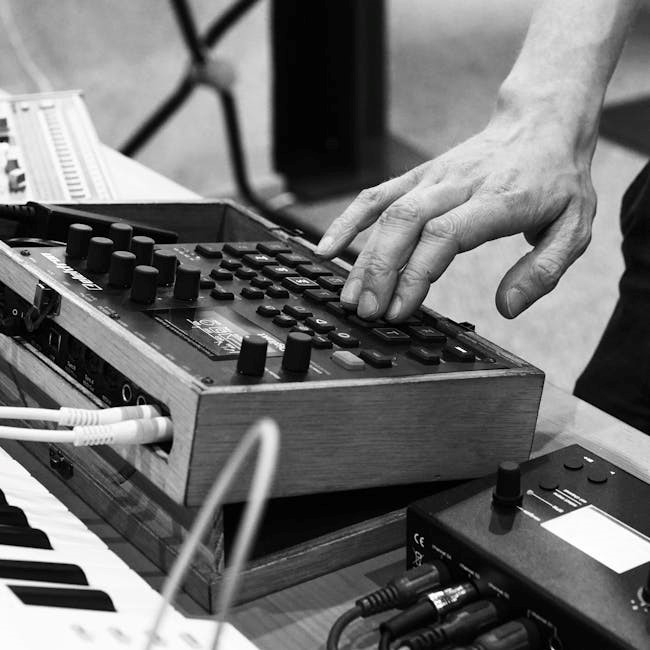
Regarding rhythm, the edition details concepts like beat, meter, tempo, and syncopation, demonstrating their impact on a piece’s overall feel. Furthermore, it thoroughly explains harmonic principles, including intervals, chords, and progressions, and how they contribute to musical texture and emotional impact.
Through detailed analysis and musical examples, students gain the ability to discern and appreciate the nuances of these core musical elements, enhancing their overall music appreciation and analytical skills. The textbook aims to equip readers with the tools to actively listen, learn, appreciate, and communicate about music effectively.
Historical Periods Covered (Middle Ages to Baroque)
The Enjoyment of Music 14th Edition offers a detailed survey of Western music history, focusing primarily on the periods from the Middle Ages through the Baroque era. This journey begins with the earliest forms of notated music, exploring Gregorian chant and the development of polyphony during the Medieval period.
The text then progresses through the Renaissance, examining the rise of humanism and its influence on musical style, including the works of composers like Josquin des Prez. A significant portion is dedicated to the Baroque era, analyzing the innovations of composers such as Bach, Handel, and Vivaldi, and their contributions to opera, concerto, and sonata forms.
Throughout these historical explorations, the textbook emphasizes the social, cultural, and artistic contexts that shaped musical developments, providing a holistic understanding of each period’s unique characteristics and lasting legacy.
Music Appreciation Focus
The Enjoyment of Music 14th Edition is fundamentally designed to cultivate music appreciation in students, regardless of their prior musical background. It achieves this through a balanced approach, combining historical context with musical analysis and listening exercises.
The textbook doesn’t merely present facts; it encourages active listening and critical thinking about music. Key elements like melody, rhythm, and harmony are explained in accessible terms, enabling students to understand how music works and why it evokes certain emotions.
Furthermore, the text emphasizes the importance of connecting with music on a personal level – to listen, learn, appreciate, and communicate about musical experiences. It aims to foster a lifelong love of music and an informed perspective on its role in culture and society.

Edition Specifics & Updates (14th Edition)

The 14th Edition includes a Total Access eBook and Inquizitive Access Code, alongside convenient CEI Redshelf digital textbook options for enhanced learning.
Total Access eBook & Inquizitive Access Code
The Total Access eBook, bundled with the Inquizitive Access Code, significantly enhances the learning experience for students utilizing The Enjoyment of Music, 14th Edition. This comprehensive digital package provides complete access to the textbook’s content in an interactive and engaging format.
Inquizitive, an adaptive learning tool, dynamically adjusts to each student’s understanding, offering personalized practice and feedback. It reinforces key concepts through interactive exercises, helping students master the material at their own pace. This integration ensures a deeper comprehension of musical principles and historical contexts.
The eBook format allows for convenient study on various devices, including laptops, tablets, and smartphones. Features like searchability, highlighting, and note-taking capabilities further facilitate effective learning. Students can seamlessly navigate the text, access supplementary resources, and track their progress with the Inquizitive Access Code.
Digital Textbook Options (CEI Redshelf)
CEI Redshelf presents a convenient and cost-effective alternative for accessing The Enjoyment of Music, 14th Edition in a digital format. This platform offers a robust reading experience with features designed to enhance student learning and engagement.
Through CEI Redshelf, students can access the textbook online or offline via a dedicated app, ensuring flexibility and accessibility. The platform supports highlighting, note-taking, and bookmarking, allowing for personalized study habits. Integrated search functionality enables quick location of specific topics and concepts within the text.
CEI Redshelf often provides options for renting or purchasing the digital textbook, catering to diverse student budgets. This digital solution reduces the need for physical textbooks, promoting sustainability and reducing costs. The platform’s user-friendly interface and compatibility with various devices make it a popular choice for students seeking a modern learning experience.
Changes from the 13th Edition
While specific detailed changes aren’t explicitly outlined in readily available snippets, the 14th Edition of The Enjoyment of Music builds upon the strong foundation of its predecessor, offering updated content and enhanced learning tools.
The primary difference lies in the inclusion of a Total Access eBook and an Inquizitive Access Code, signifying a shift towards integrated digital learning. This package provides students with interactive exercises and assessments to reinforce their understanding of key musical concepts.
Expect refinements to existing chapters, potentially incorporating recent scholarship and evolving perspectives in musicology. The 14th edition likely features updated examples and listening selections, reflecting the dynamic nature of musical performance and interpretation. The digital components aim to provide a more immersive and engaging learning experience, supplementing the core textbook content with interactive features and personalized feedback.
Utilizing the Textbook for Learning
The Enjoyment of Music encourages students to Listen, Learn, Appreciate, and Communicate about music, enhanced by supplementary YouTube resources for deeper study.
Listen, Learn, Appreciate, Communicate
The Enjoyment of Music, in its 14th edition, fundamentally centers around a four-pronged approach to music education: Listen, Learn, Appreciate, Communicate.
This methodology isn’t merely a slogan; it’s woven into the fabric of the textbook’s design and content. Students are actively encouraged to engage with musical examples, not just passively read about them.
The text provides tools for developing aural skills, fostering a deeper understanding of musical elements like melody, rhythm, and harmony. Furthermore, it aims to cultivate a genuine appreciation for the diverse range of musical styles and historical periods covered.
Crucially, the textbook doesn’t stop at personal enjoyment. It equips students with the vocabulary and analytical skills necessary to articulate their musical experiences and engage in meaningful discussions about music with others, promoting effective communication.
This holistic approach ensures a well-rounded musical education, moving beyond rote memorization to genuine understanding and lifelong engagement.
YouTube Resources for Music Study
Supplementing The Enjoyment of Music 14th Edition, YouTube offers a wealth of resources to enhance the learning experience. Students can find numerous playlists and channels dedicated to music history, theory, and performance.
Visual and auditory learners particularly benefit from YouTube’s ability to demonstrate musical concepts in action. Performances of pieces discussed in the textbook are readily available, allowing students to connect the written material with actual sound.

Furthermore, many educators create supplemental content, offering lectures, analyses, and tutorials that align with the textbook’s curriculum. Searching for specific composers, periods, or musical terms often yields valuable results.
YouTube Studio, the platform for creators, also hosts educational content. However, it’s important to critically evaluate sources and prioritize channels with established credibility and expertise.
Utilizing YouTube alongside the textbook fosters a dynamic and engaging learning environment, enriching understanding and appreciation of music.
YouTube Studio for Creators
YouTube Studio serves as a central hub for managing a YouTube channel, offering tools for content creation and audience engagement. While not directly tied to The Enjoyment of Music 14th Edition, it’s relevant for students and educators creating supplemental musical content.
Creators can upload, edit, and optimize videos, adding descriptions, tags, and thumbnails to increase visibility. Analytics provide insights into audience demographics and video performance, informing content strategy.
The platform facilitates interaction with viewers through comments and community posts, fostering a learning community around musical topics. Live streaming capabilities allow for real-time discussions and performances.
Monetization options are available for eligible channels, potentially supporting the creation of high-quality educational music content. Understanding YouTube’s policies and guidelines is crucial for maintaining channel integrity.
For those inspired by The Enjoyment of Music to share their own musical insights, YouTube Studio provides the tools to do so effectively and reach a wider audience.

Technical Information & Support
YouTube Help offers video tutorials and guides for troubleshooting common issues, while the YouTube Known Issues page details reported technical problems.
YouTube Help Videos
Leveraging YouTube for musical understanding is a powerful supplementary learning tool alongside The Enjoyment of Music 14th Edition. Numerous channels offer insightful analyses, performances, and historical context related to the textbook’s content.
YouTube’s video library provides helpful tips, feature overviews, and step-by-step tutorials on various musical concepts. Students can search for specific composers, periods, or musical forms discussed in the textbook to find illustrative examples.
Exploring musical excerpts visually enhances comprehension, allowing learners to connect theoretical knowledge with actual sound. Furthermore, tutorials on music notation, ear training, and music history can significantly improve overall musical literacy.
Creators on YouTube Studio also offer valuable resources, demonstrating how to analyze music and appreciate its nuances. Remember to critically evaluate sources and cross-reference information with the textbook for a well-rounded understanding.
YouTube Known Issues
While YouTube is a valuable resource for supplementing The Enjoyment of Music 14th Edition, users should be aware of potential technical issues that may impact the learning experience. Occasional video buffering, playback errors, or audio synchronization problems can occur.
Reported technical difficulties sometimes affect specific browsers or devices, so ensuring your software is up-to-date is crucial. Additionally, inconsistent internet connectivity can disrupt streaming and hinder access to educational content.
Content-related issues, such as videos being removed due to copyright claims or changes in video availability, may also arise. It’s advisable to bookmark essential videos and consider downloading them (where permitted) for offline access.
Always verify information presented in YouTube videos with the textbook to ensure accuracy and avoid misinformation. YouTube’s official help resources provide updates on known issues and troubleshooting steps.
Leave a Reply
You must be logged in to post a comment.